Turtle Shelter Project Platform
Developed a full-stack web platform during BYU’s INTEX competition to help the Turtle Shelter Project nonprofit manage volunteers, events, and service opportunities supporting individuals experiencing homelessness.
Project overview
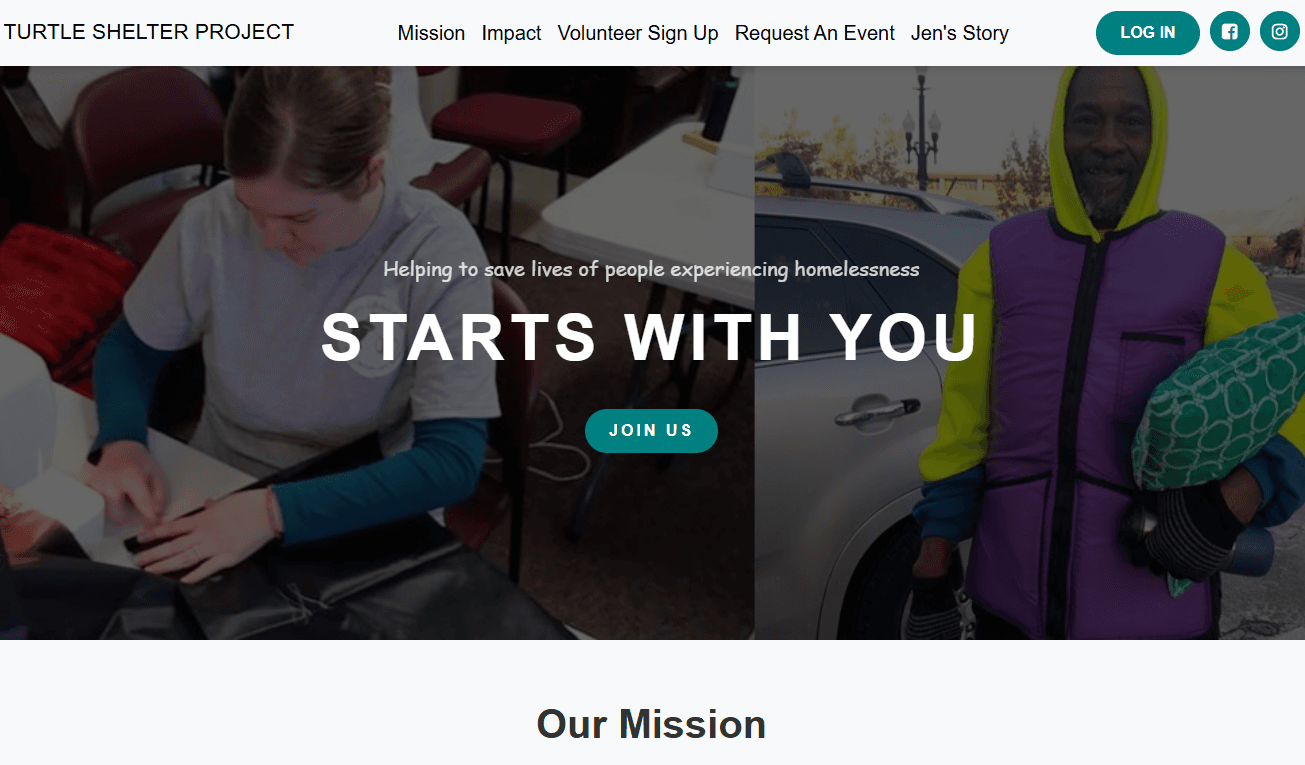
During BYU’s one-week INTEX development competition, our team designed and built a full-stack web platform for the Turtle Shelter Project, a nonprofit focused on coordinating service opportunities for individuals experiencing homelessness. The platform allows administrators to manage events, track volunteer participation, and assign user roles, while also giving users a way to request new service opportunities. We also created an interactive dashboard to provide a clear overview of upcoming projects and volunteer involvement, helping the organization stay organized and informed. I specifically worked on connecting the application to AWS, building out parts of the admin dashboard, and refining the overall look and feel of the site to improve usability and user experience. Although the system is not currently deployed, this project highlights my ability to quickly collaborate, build, and ship a functional solution under tight deadlines.
Problem
The Turtle Shelter Project coordinates volunteer service opportunities for individuals experiencing homelessness. However, managing volunteers, scheduling events, and tracking participation can become difficult without a centralized system. Additionally, understanding homelessness trends requires analyzing complex datasets that are difficult to interpret without visualization tools.
Approach / process
Our team worked within the constraints of a one-week development competition, using an agile workflow to rapidly design and implement the platform. Early in the project, we designed an Entity Relationship Diagram (ERD) to model the database structure and define relationships between users, volunteers, events, and service requests. This allowed our team to clearly plan how data would be stored and accessed across the system. We focused on: Designing a relational database structure for events, volunteers, and users Creating an intuitive web interface for administrators to manage service opportunities Developing backend routes and APIs to handle event creation, volunteer tracking, and user roles Structuring the system architecture so frontend, backend, and database components worked together effectively Analyzing HUD homelessness datasets to uncover trends and insights The goal was to create both an operational platform for managing volunteer coordination and a data-driven perspective on homelessness through analytics and visualization.
Implementation details
The project used a traditional full-stack web architecture. Frontend HTML CSS JavaScript Bootstrap for responsive UI components Backend Node.js with Express RESTful routes for managing events, volunteers, and user roles PostgreSQL relational database Data Analysis Processed HUD Point-in-Time dataset using Python Built an interactive Tableau dashboard to visualize homelessness trends Infrastructure Hosted and tested deployment using AWS.
Gallery
Related projects
Demand Forecasting for Regional Distribution Centers
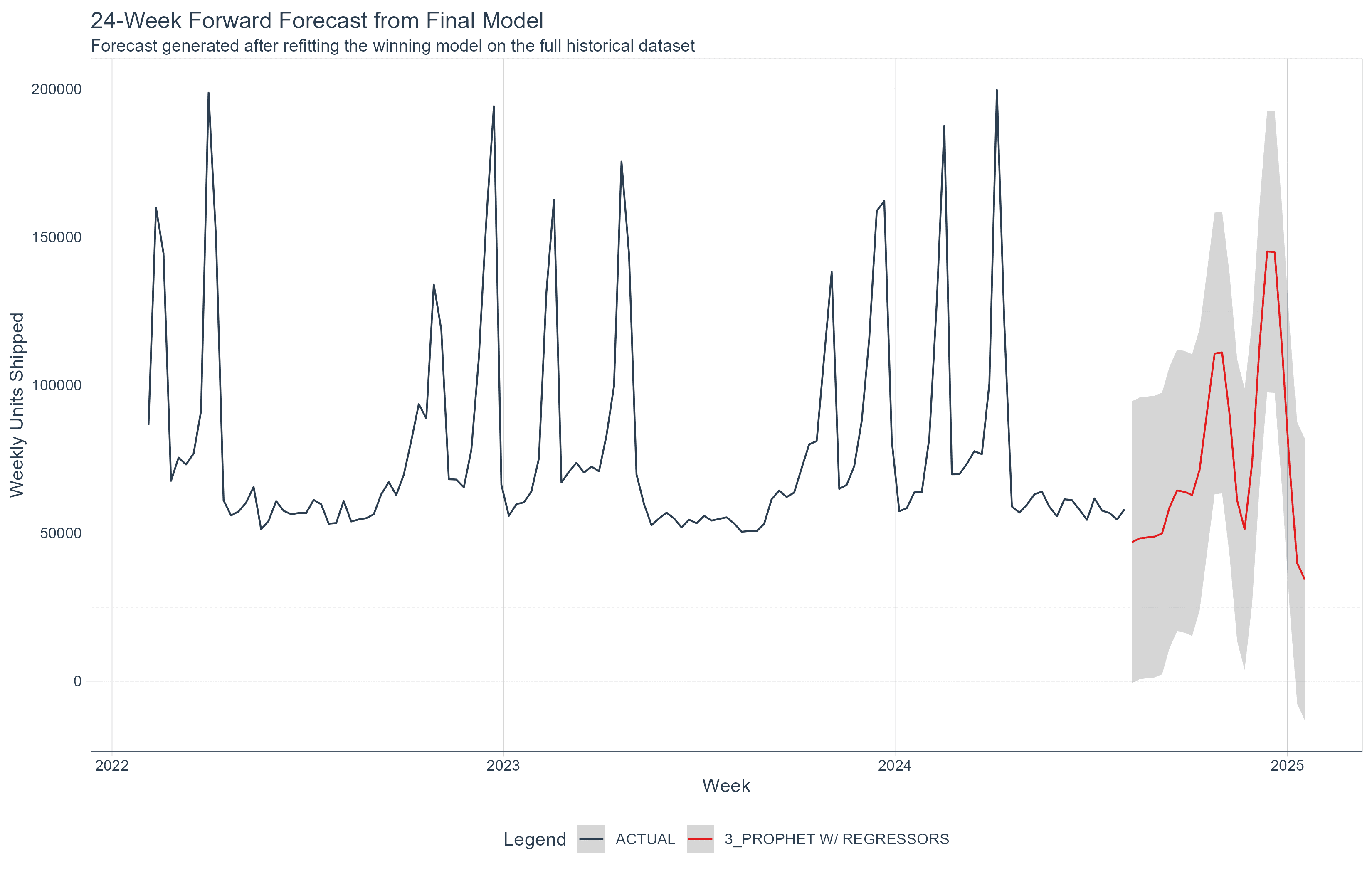
Built a time series forecasting system in R that compared five models on 2.5 years of weekly distribution center data, then deployed the winning Prophet model as a production-ready Dockerized REST API.
CineNiche Streaming Platform
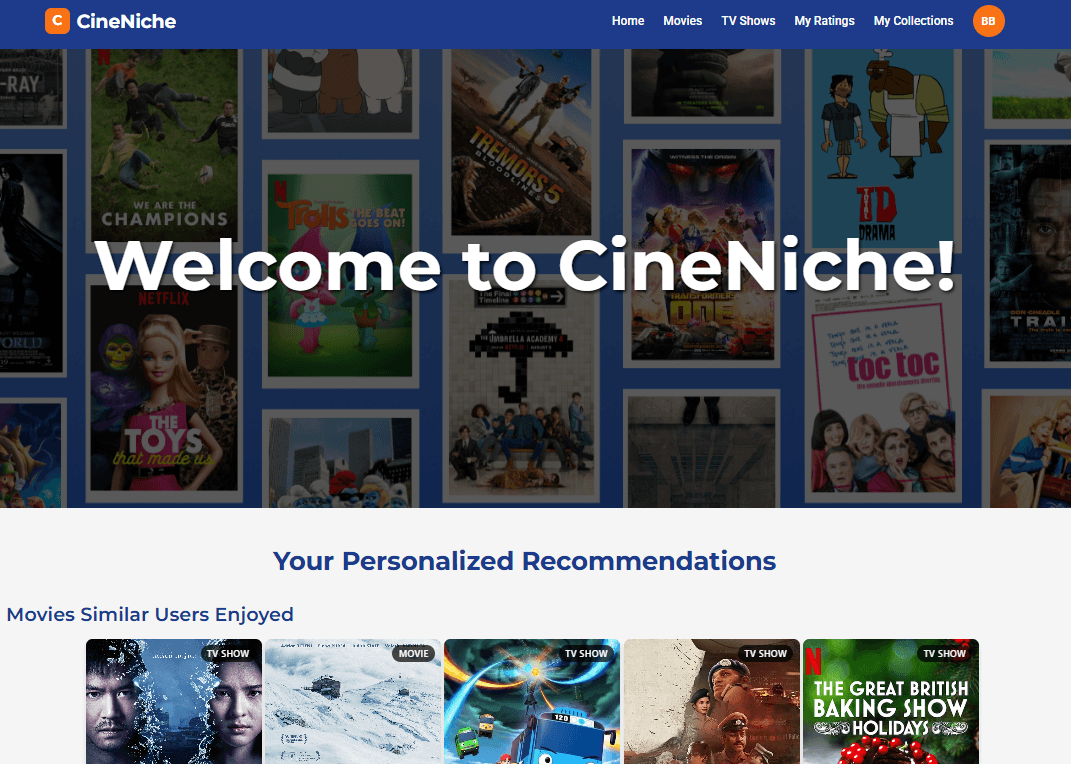
A full-stack movie discovery platform built during BYU’s INTEX 2025 that enables users to browse, rate, and organize films while receiving personalized recommendations through content-based and collaborative filtering.